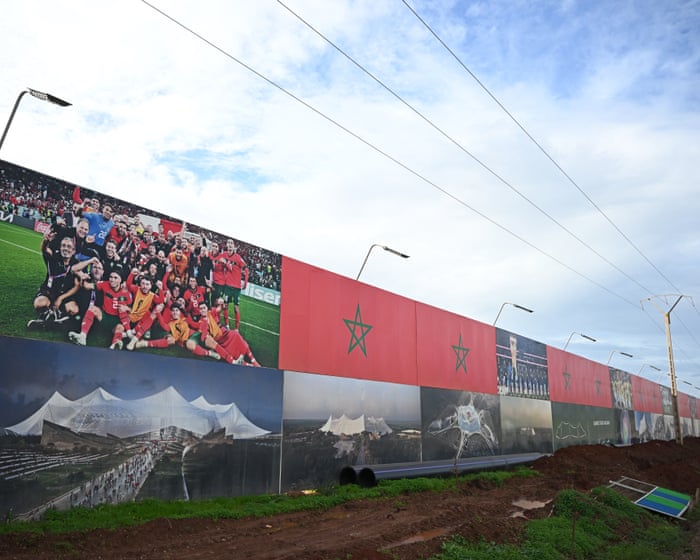
As the clock ticks down with just over 1,400 days remaining until the 2030 FIFA World Cup kicks off, Morocco is gearing up for the monumental task of co-hosting the tournament. The North African nation is no stranger to the challenges that accompany such an undertaking, reminiscent of the hurdles faced by South Africa during the 2010 World Cup.
Immediate Football Commitments
Despite the conclusion of Morocco’s journey in the recent World Cup, where they reached the quarter-finals only to be defeated by France, the nation’s football administrators are not afforded a period of respite. The Royal Moroccan Football Federation (FRMF) is immersed in a busy schedule, starting with the Women’s Africa Cup of Nations (Wafcon).
Set to begin in Rabat on Sunday, this tournament features an expanded format with 16 teams, marking a significant step in women’s football development on the continent. This event closely follows the conclusion of the men’s World Cup final, held a week earlier in New Jersey.
Upcoming Tournaments
Following Wafcon, Morocco is also set to host the Under-17 Women’s World Cup in the autumn. These commitments highlight the nation’s growing role in international football and underscore the need for efficient organization and infrastructure development.
Financial and Legacy Considerations
Hosting the World Cup presents Morocco with a series of financial and legacy challenges. The costs associated with organizing such a large-scale international event are substantial, and the nation must prioritize sustainable development that benefits future generations.
Investments in stadiums, transport, and hospitality infrastructure are necessary to accommodate the influx of fans and teams from around the globe. However, these developments come with financial pressures that require careful management to ensure lasting benefits beyond the tournament itself.
Learning from the Past
Morocco can draw lessons from South Africa’s experience in 2010, where the focus on long-term infrastructure left a mixed legacy. While the tournament was hailed as a success, some facilities fell into disuse post-event. Morocco’s challenge lies in creating a legacy that sustains economic growth and social development.
Strategic Planning for Success
To meet these challenges, Morocco must engage in strategic planning and collaboration with its co-hosts and FIFA. Ensuring that infrastructure projects align with national development goals is crucial for maximizing the World Cup’s positive impact.
- Investment in local talent development to boost national teams’ competitiveness
- Promotion of tourism to leverage World Cup exposure
- Enhancement of public facilities for long-term community benefit
With the right approach, Morocco can transform the World Cup into a catalyst for progress, harnessing the tournament’s global attention to drive national and regional development.
Conclusion
As Morocco embarks on its journey to 2030, the nation is poised to tackle the challenges of hosting an event of such magnitude. With proactive planning and a focus on sustainable growth, Morocco can not only deliver a memorable World Cup but also pave the way for a prosperous future in football and beyond.