As the world gears up for the 2026 FIFA World Cup, set to return to the United States after 32 years, it's worth taking a nostalgic glance back at the 1994 edition. This reflection not only highlights the evolution of football but also provides a lens through which we can anticipate what might be on display in this upcoming tournament.
The Iconic Moments of USA 1994
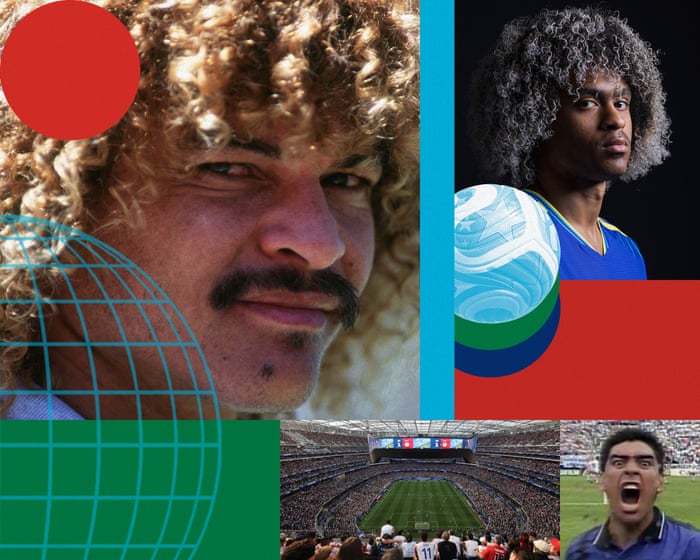
The 1994 World Cup offered a rich tapestry of unforgettable moments that have since become etched in football lore. Diego Maradona's exuberant celebration after scoring for Argentina, directly facing a TV camera, remains a vivid memory for many. Meanwhile, Brazil's Bebeto introduced a new style of celebration by mimicking the rocking of a baby, a gesture that has inspired countless goal celebrations since.
One cannot discuss USA 1994 without mentioning the penalty shootout drama that saw Roberto Baggio's infamous miss for Italy, a moment rivaled only by Diana Ross's memorable mishap during the opening ceremony. Additionally, Colombia's Carlos Valderrama captivated audiences not just with his skills but also with his distinctive blonde afro, a symbol of the vibrant personalities the tournament showcased.
From 1994 to 2026: A Changing Landscape
Fast forward to 2026, and the world of football has evolved dramatically. Technological advancements have transformed how the game is played and viewed. From VAR (Video Assistant Referee) ensuring fair play to the enhanced broadcasting capabilities that bring fans closer to the action, the modern game offers a different experience compared to the 1994 spectacle.
The stadiums themselves will tell a story of change. Back in 1994, venues across the U.S. played host to the matches, but for 2026, the infrastructure has been upgraded significantly, promising fans an even more immersive experience. Newer stadiums equipped with state-of-the-art facilities will likely become iconic in their own right.
Fashion and Style: Then and Now
Kit designs have also seen a major transformation. The 1994 World Cup was renowned for its bold and colorful jerseys, which added to the tournament's unique charm. Over the years, kits have become more streamlined, focusing on performance-enhancing materials and sleek designs. Yet, the nostalgia for the vibrant patterns of the past remains strong among fans and collectors alike.
Hairstyles and personal expressions on the field have also shifted. While Valderrama's afro became a trademark of 1994, today's players often sport more understated styles, although the individuality and flair remain essential to the game's culture.
Will 2026 Capture the Magic?
The big question remains: can the 2026 World Cup replicate the magic of its predecessor? While the game and its presentation have undoubtedly modernized, the core spirit of the World Cup — passion, pride, and international camaraderie — endures.
As fans prepare for another summer of football fever, the anticipation builds around whether the 2026 edition will carve out its own legacy, just as the 1994 tournament did. Only time will tell if the narratives and images from 2026 will resonate as deeply as those from the past.