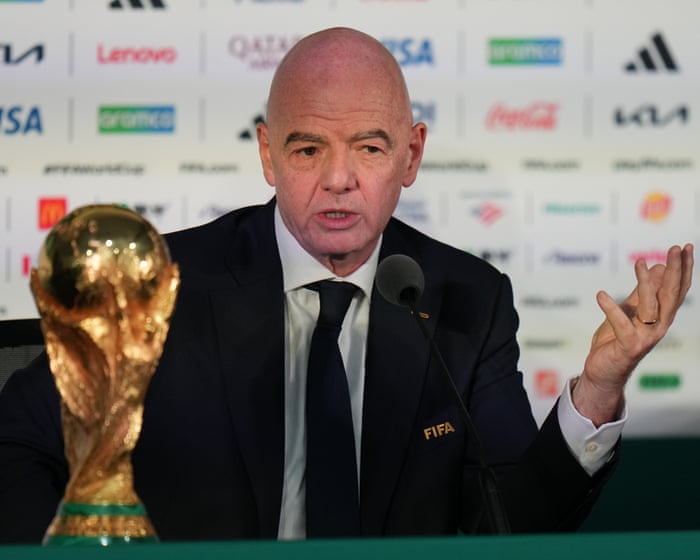
Concacaf has joined UEFA in expressing strong disapproval of FIFA's recent proposal to sell stakes in the World Cup to private investors. The governing body for football in North, Central America, and the Caribbean conveyed their concerns in a candid statement, highlighting issues surrounding FIFA's governance and the apparent lack of transparency in the decision-making process.
FIFA's Proposal Sparks Controversy
FIFA's plan involves the creation of a new commercial entity, estimated to be worth approximately $20 billion (£15 billion). The proposal suggests selling stakes in this entity to private investors, a move that has generated significant controversy among football associations worldwide. Concacaf revealed that it, along with other member associations, was not informed of this proposal until the details were made public through media outlets.
Concacaf's Response
In their statement, Concacaf expressed deep concerns about the lack of communication and involvement in such a significant decision. "The governance processes and communication from FIFA regarding this proposal have been inadequate," the statement noted. There is a sense of urgency as FIFA has given its member associations a deadline of 19 September to endorse the plan.
Concacaf's criticism aligns with similar sentiments from UEFA, which has also voiced apprehensions about the lack of transparency and due diligence in FIFA's approach. Both confederations are advocating for a more inclusive and transparent process, stressing the importance of maintaining the integrity and heritage of the World Cup.
Implications for Global Football
The potential sale of World Cup stakes to private investors has raised questions about the future of the tournament's governance and financial structure. Critics argue that such a move could shift the focus away from the sport's traditional values and towards profit-driven motives. This development has sparked a broader debate about the role of commercial interests in football and the balance between financial gain and sporting integrity.
FIFA's proposal has also prompted discussions about whether similar strategies might be applied to other major football tournaments in the future. The involvement of private investors in one of the world's most prestigious sporting events could set a precedent for how international football competitions are managed and funded.
The Road Ahead
As the 19 September deadline approaches, the pressure is mounting on FIFA to address the concerns raised by its member associations. The organisation will need to engage in open dialogue with stakeholders to find a resolution that satisfies both FIFA's financial goals and the expectations of the global football community.
Whether FIFA will reconsider its proposal or proceed as planned remains to be seen. However, the backlash from influential football confederations like Concacaf and UEFA highlights the importance of transparency and collaboration in the governance of international football.
In the coming weeks, the football world will be closely monitoring FIFA's response and the potential implications for the future of the World Cup. The outcome of this controversy could have lasting impacts on the sport's global landscape.