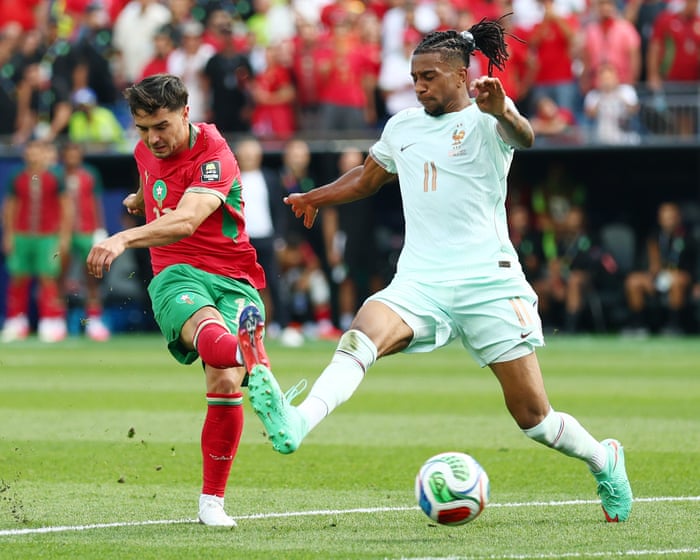
Nationality in football has never been more intricate, as the influence of players with multinational backgrounds continues to soar at the World Cup. This was vividly illustrated by Michael Olise, whose exceptional performance for France highlighted the significant contribution of diaspora players.
Michael Olise: A Record-Breaking Performance
Michael Olise, a player with roots in France, Algeria, Nigeria, and Great Britain, set the football world alight by breaking Pelé's long-standing record for the most assists in a single World Cup tournament. Although he was eligible to play for four different nations, Olise chose to represent France, the country from which he ultimately helped achieve significant success.
"Nationality says where you come from. And I actually come from four countries: France, Algeria, Nigeria and Great Britain. I consider myself very lucky to possess these four parts, which all enrich me." — Michael Olise
Olise's seven assists not only underscored his individual talents but also highlighted a broader trend of increasing contributions from players with multinational ties at the World Cup.
The Rise of Diaspora Players
The 2022 World Cup showcased a significant rise in the number of players representing countries other than their place of birth. Nearly a quarter (23.6%) of the 1,248 players selected for the tournament were born outside the nations they played for. This marks a notable increase from the 16.5% recorded four years earlier, showing that the influence of diaspora players has never been more pronounced.
This increase reflects a broader trend in international football, where national teams are increasingly relying on the diverse backgrounds of their players to enrich their squads. The impact of these players was felt throughout the tournament, not only in terms of minutes played but also in crucial contributions like goals and assists.
Historical Context and Global Trends
Historically, the reliance on players born outside national borders has grown steadily. The 2022 tournament marked a 5.1% increase from the previous high recorded in 2018, illustrating the changing dynamics of international football. In a tournament featuring 48 teams and 104 matches, these players were indispensable, bringing varied skills and perspectives to their teams.
This trend is not limited to one region; it is a global phenomenon, with countries across all continents benefiting from the contributions of players with diaspora backgrounds. These athletes often bring unique styles and experiences from their different cultural heritages, enriching the game both on and off the pitch.
Impact on the Future of Football
The growing presence of diaspora players is likely to continue shaping the future of international football. National teams are increasingly scouting talent globally, recognizing the value of diverse backgrounds in building competitive squads. This approach not only enhances the quality of the game but also fosters a more inclusive and multicultural environment within teams.
As the football world becomes more interconnected, the role of diaspora players will undoubtedly expand. Their contributions are setting new standards and breaking records, as seen with Olise's remarkable performance. Future tournaments will likely see even greater numbers of players representing countries other than their birthplaces, further emphasizing the global nature of the beautiful game.
The World Cup is evolving, and with it, the definition of national representation in football. As players like Michael Olise continue to leave their mark, the significance of diaspora players will only grow, reflecting the multicultural and interconnected world we live in today.