In the sweltering setting of Dallas Stadium, England's national team marked a significant moment in their footballing journey. While a 10-minute display of attacking prowess in mid-June doesn’t secure a World Cup, it certainly signals the dawn of a new era for the team.
Half-Time Reflections
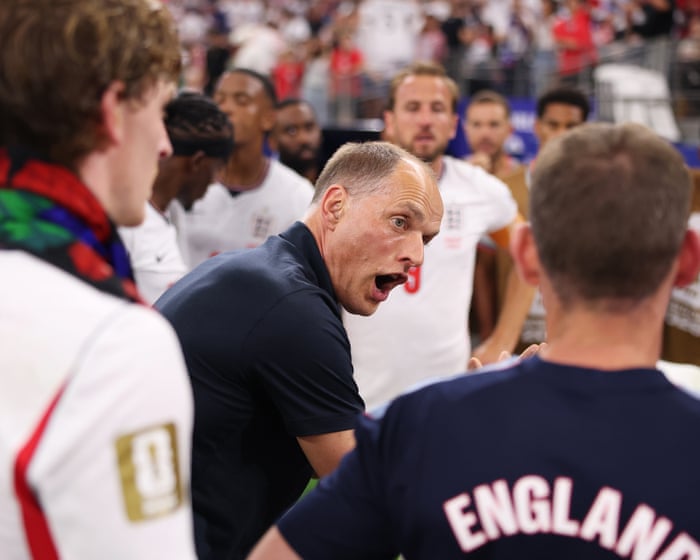
As the sun set over Texas, inside the stadium, England found themselves locked in a 2-2 battle against Croatia. The mood in the dressing room was one of introspection, with a palpable sense that this was a moment of transformation for Thomas Tuchel's squad. The team, familiar with the pressures and patterns of international tournaments, was poised for a shift in approach.
Breaking Away from Tradition
For years, England's national team had been defined by the Gareth Southgate era—a time marked by meticulous planning and often, conservative gameplay. However, in this match, there was a clear intention to break away from the past. Under Tuchel's guidance, the players embraced a more dynamic, free-flowing style of football.
The image of the team ceremonially shedding the symbolic constraints of the previous regime was almost tangible. It was as if they had laid to rest the cautious strategies of old, making way for a more liberated, enthusiastic approach.
Tuchel's Influence
Thomas Tuchel, known for his tactical acumen and calm demeanor, delivered a half-time talk that seemed to invigorate his players. His focus was not just on strategy but also on freeing the team from the mental chains of past anxieties, notably those tied to penalty shootouts and critical match moments.
The team responded with a spirited performance, reflecting Tuchel's philosophy. They played with a sense of joy and creativity that had been missing in recent competitions, hinting at a potential shift in their international standing.
A Symbolic Shift
In what could be seen as a symbolic gesture, the team was said to have discarded a life-size effigy of Southgate, a metaphorical shedding of past burdens. This act represented more than just leaving behind a physical object; it was about embracing a new mindset, one focused on possibility and playfulness.
Letters from the effigy's pockets, filled with leadership mottos and previous tournament concerns, scattered across the floor, embodied the team's desire to move beyond past narratives and embrace a future filled with potential.
Looking Ahead
England's performance in Dallas was not just about the result; it was about the beginning of a new chapter. While it may not have been a World Cup final, the match against Croatia was a crucial step in redefining what this team could be.
As they continue their journey, England's players and fans alike will be eager to see how this refreshed approach develops. With Tuchel at the helm, there is a renewed sense of optimism that this team can not only compete but also entertain and inspire.
In conclusion, England's match in Texas was more than just a game; it was a statement of intent. It highlighted the team's readiness to embrace change and pursue a style of football that is as enjoyable for spectators as it is effective on the pitch. As they look to future competitions, this newfound freedom could be the key to unlocking their full potential.