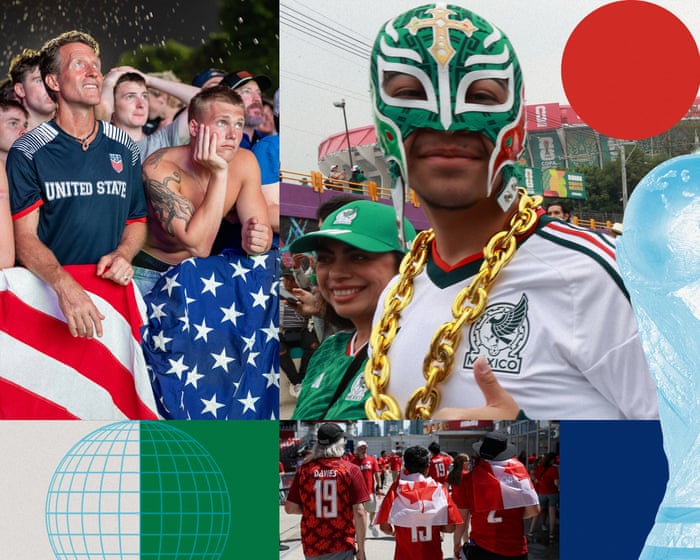
This summer, the World Cup unfolded across North America, leaving an indelible mark on fans from the United States, Mexico, and Canada. Despite initial reservations about the event's commercialism and the high costs associated with attending, the tournament was a resounding success in terms of the joy and unity it brought to fans and communities.
Boston's Enthusiastic Welcome
As Boston prepared to host its first World Cup match, the city's atmosphere buzzed with anticipation and excitement. The arrival of thousands of Scottish fans for the match against Haiti added a unique flavor to the event. Known for their lively and humorous antics, the Scots were seen donning traditional kilts, playing bagpipes, and engaging in impromptu performances with local street musicians, creating a vibrant cultural exchange.
The influx of football enthusiasts transformed the city into a melting pot of nationalities. People from all over the world, proudly wearing their national jerseys, filled the streets, creating a sense of global community and celebration. Even those who typically did not follow football found themselves caught up in the excitement.
Economic Challenges and Hospitality
While the World Cup brought much joy, it did not come without its challenges. Ticket prices were a significant concern for many, with costs reaching prohibitive levels. Despite this, fans who attended praised the American hospitality, noting the warm welcome they received from locals.
The political climate in the United States was another area of concern for international visitors. However, many were pleasantly surprised by the ability of fans to distinguish between political issues and the welcoming nature of the American populace. This separation allowed for a more enjoyable experience, focusing on the sport and the camaraderie it fostered.
Shared Experiences Across Borders
Across all three host countries, the World Cup served as a unifying force, bringing together diverse groups of people to celebrate their love for football. In cities like Boston, the influx of international fans created an atmosphere of excitement and cultural exchange that transcended borders.
- Fans from various nations united in their love for the game.
- Local communities embraced the diversity and energy brought by visitors.
- The tournament highlighted the potential for sports to bridge cultural and political divides.
"Seeing people from so many different countries, kitted out in their jerseys, gave you the feeling that something special was happening," shared a local enthusiast.
While the World Cup may have faced criticism for its costs and the backdrop of political tension, the overwhelming sentiment from fans was one of gratitude and joy. The event highlighted the power of football to create connections and foster understanding among people from all walks of life.
As the tournament concluded, it left behind a legacy of cultural exchange and newfound appreciation for the host cities and their people. The success of the World Cup in North America demonstrated that despite challenges, the universal language of football has the ability to bring people together, creating memories and friendships that transcend national boundaries.