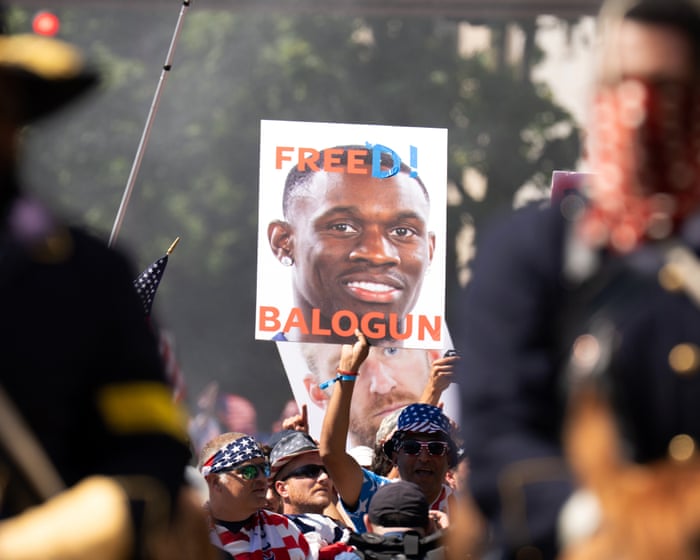
The ongoing dispute between FIFA and UEFA has intensified following FIFA's decision to overturn the suspension of USA striker Folarin Balogun. The international football governing body has accused UEFA of hypocrisy in its criticism of this decision.
FIFA's Justification
FIFA's disciplinary committee, led by chair Mohammad Al Kamali, released a statement addressing the controversy surrounding Balogun's suspension removal. The statement emphasized that overturning red cards is a standard disciplinary procedure within UEFA-affiliated leagues. Al Kamali noted that this practice has not previously been a point of contention, suggesting that UEFA's current objections imply a double standard.
Background of the Dispute
The conflict arose when FIFA decided to lift Balogun's suspension ahead of the USA's round of 16 match against Belgium. UEFA quickly condemned the decision, arguing it crossed a "red line" in disciplinary protocol. However, FIFA countered this claim by highlighting the regularity of such decisions in European football, questioning why this particular incident has sparked such opposition.
- FIFA maintains that the process of overturning red cards is a common and accepted practice.
- UEFA has not previously voiced concerns over similar actions within its own leagues.
- The timing of FIFA's decision, prior to an important match, has added fuel to the dispute.
Implications for International Football
This disagreement underscores the ongoing tensions between FIFA and UEFA, two of football's most influential organizations. The discord could have broader implications for international football governance, particularly in how disciplinary actions are perceived and managed across different regions.
FIFA's statement not only defends its actions but also challenges UEFA to reconsider its stance on disciplinary consistency. This situation highlights the complexities of maintaining uniform standards in a sport governed by multiple bodies with varying interests.
Looking Ahead
The fallout from this incident may prompt both FIFA and UEFA to engage in dialogue to establish clearer guidelines for disciplinary measures. Such discussions could help prevent similar conflicts in the future and ensure fair treatment for players across all competitions.
As this situation develops, the football community will be watching closely to see how these governing bodies navigate their differences and work towards a more cohesive approach to managing the sport at an international level.