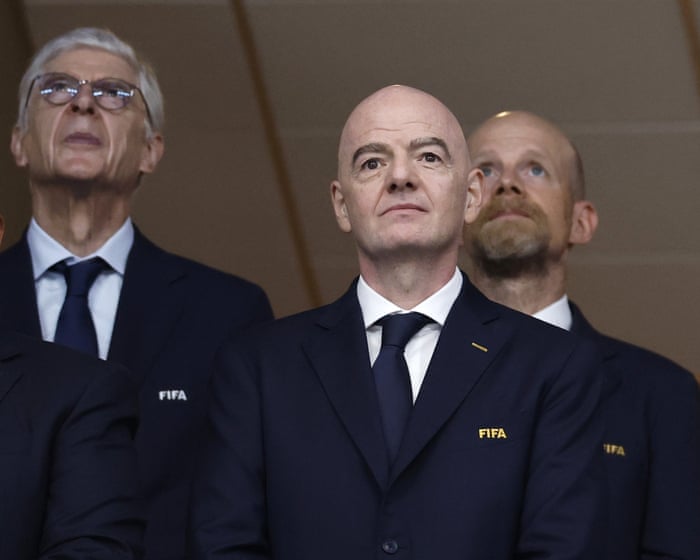
FIFA's President Gianni Infantino finds himself under increased scrutiny following criticism from high-profile figures within the organization regarding the recently abandoned World Cup private investment plan. Mattias Grafström, FIFA's secretary general and Infantino's deputy, openly criticized the plan, labeling it a "sad and reproachable series of events." This marks a significant challenge to Infantino's leadership amidst growing internal discontent.
Internal Dissent at FIFA
The controversy surrounding the World Cup investment plan has seen several senior officials distancing themselves from the proposal. Among them, Arsène Wenger, FIFA's Chief of Global Development, broke his silence, issuing a statement that underscored the necessity of withdrawing the plan. Wenger, known globally for his successful tenure as Arsenal's manager, emphasized that the cancellation was "absolutely necessary and beyond question." His comments reflect a broader sentiment of unease within FIFA's ranks.
Infantino's Authority Questioned
Infantino's leadership has been increasingly questioned as details of the investment plan emerged, suggesting a lack of transparency and consultation with key stakeholders. The plan, intended to secure private funding for future World Cup events, faced criticism for its perceived lack of clarity and potential implications on the sport's governance. Grafström's remarks highlight the disapproval among FIFA's top executives, further isolating Infantino and raising questions about the decision-making processes within the organization.
Wenger's Strategic Role at FIFA
Arsène Wenger, appointed to lead FIFA's global development efforts, had previously refrained from commenting on the unfolding crisis. His recent statement signals an important shift, as he publicly aligns himself with those questioning the failed investment strategy. Wenger's expertise and influence in the football world add weight to his critique, potentially impacting Infantino's standing both within FIFA and the broader sports community.
- Transparency Concerns: The plan's lack of transparency and stakeholder engagement prompted backlash.
- Leadership Challenges: Infantino faces increasing pressure from within FIFA's senior ranks.
- Wider Implications: The controversy could influence FIFA's future governance strategies.
Next Steps for FIFA
As FIFA navigates this period of internal strife, the focus now turns to how the organization will address the fallout from the failed investment plan. The need for greater transparency and stakeholder involvement in decision-making processes is likely to be a priority for FIFA's leadership moving forward. Ensuring that future proposals align with the interests of the global football community will be essential in restoring trust and stability within the organization.
In conclusion, the criticism from key figures such as Grafström and Wenger signifies a pivotal moment for FIFA. As pressure mounts on Infantino, the organization's response to this internal dissent will be closely watched by the international football community, eager to see how FIFA will navigate these challenges and realign its leadership strategy.