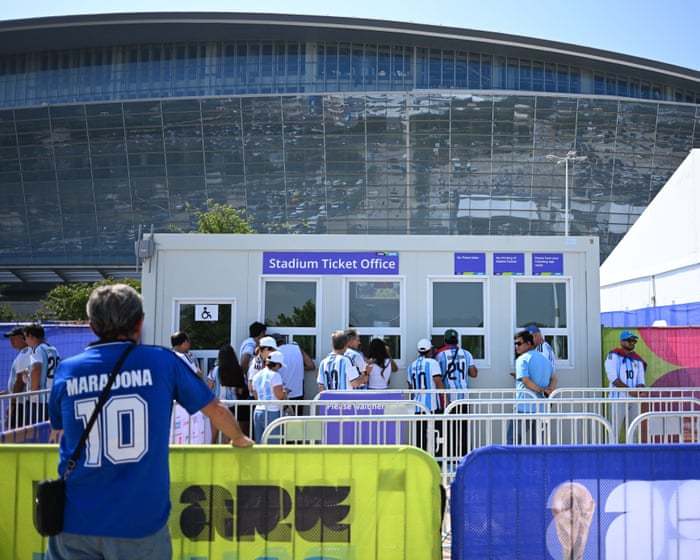
In an internal debate over ticket pricing strategies for the recent World Cup, FIFA's leadership made the decision to implement dynamic pricing despite opposition from some of its US-based staff. This decision has sparked discussions within the organization, highlighting differing opinions on the best approach to ticket sales.
Disagreement Over Pricing Strategy
Sources familiar with the situation have revealed that the disagreement centered around the use of dynamic pricing tactics, which adjust prices based on current demand. Staff based in FIFA's Miami office had initially proposed an alternative ticketing strategy. Their approach emphasized maintaining more affordable pricing, particularly for general admission areas, to ensure broader accessibility for fans.
FIFA's Stance
FIFA, the world governing body of football, stated that the decision to implement dynamic pricing was made in coordination with all relevant areas of the organization. The leadership believed this approach would maximize revenue and reflect the high demand for World Cup matches.
"The policy was agreed upon with all areas of the organization," a FIFA spokesperson said, underscoring their commitment to a unified strategy.
Dynamic Pricing Explained
Dynamic pricing is a strategy commonly used in various industries, including airlines and hospitality, where prices fluctuate based on factors such as demand, competition, and market conditions. In the context of the World Cup, this approach was intended to optimize ticket sales by adjusting prices in real-time as demand increased or decreased.
Impact on Fans
While dynamic pricing can lead to increased revenue for event organizers, it also has the potential to price some fans out of attending. Critics argue that this approach can make attending matches prohibitively expensive, particularly for local fans and those traveling from abroad, who may find themselves unable to secure tickets at lower prices.
Internal Tensions
The decision to pursue dynamic pricing over the alternatives suggested by the US-based staff has underscored internal tensions within FIFA. These staff members were reportedly focused on ensuring that ticketing strategies aligned with fan accessibility and affordability, a stance they felt would promote a more inclusive event experience.
This internal conflict reflects broader discussions about how best to balance financial objectives with fan engagement and accessibility in major sporting events.
Looking Forward
As the World Cup progresses, the impact of the dynamic pricing strategy will continue to be evaluated. Both FIFA and its internal stakeholders will need to assess the outcomes of this decision, potentially influencing future ticketing strategies for upcoming tournaments.
Ultimately, the decision on whether to prioritize revenue generation or fan accessibility remains a challenging balancing act for FIFA, one that will likely continue to shape internal debates and strategic decisions in the years to come.