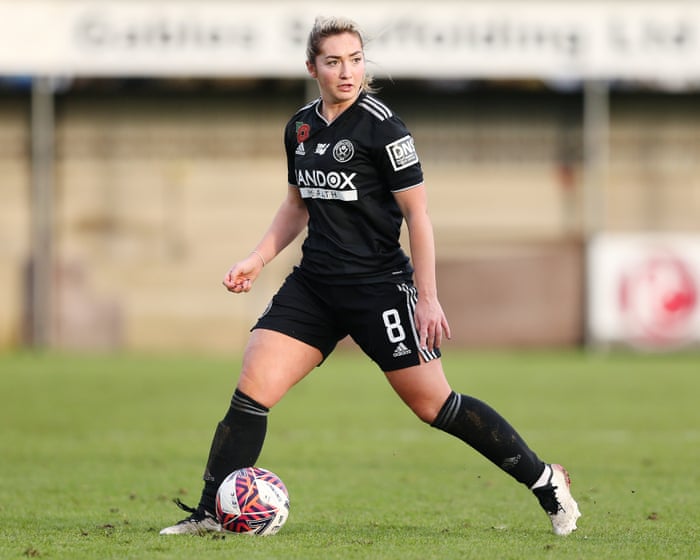
The inquest into the death of Maddy Cusack, a Sheffield United player, has brought to light significant issues regarding the reporting of grievances by women footballers. According to her mother, Deborah Cusack, Maddy felt incapable of voicing her concerns to the club's hierarchy due to fears of potential repercussions, such as being blacklisted.
During the hearing, it was revealed that Maddy Cusack had been struggling with her position at the club, particularly following the appointment of Jonathan Morgan as the manager. Deborah Cusack stated that Morgan's presence made her daughter feel pressured to abandon her football career, a factor she believes contributed to her tragic death at their Derbyshire home on September 20, 2023.
Concerns Over Data Handling at Sheffield United
The inquest also uncovered a severe data breach involving the loss of medical records for players at multiple clubs, including Cusack's sensitive information. The breach was described as occurring on an "industrial scale." Dr. Subhashis Basu, who served as the club's doctor at the time, conceded that he did not adequately report the data loss, raising concerns about the management of players' personal information.
Impact on Women Footballers
Deborah Cusack's testimony highlighted the broader issues faced by women in football, particularly the difficulty in reporting grievances without fear of adverse consequences. This situation underscores the need for improved support systems within the sport to ensure that players can voice concerns safely and without fear of retribution.
Jonathan Morgan, whose influence was cited as a significant stressor for Maddy, is expected to provide his account during the inquest proceedings. The outcome of his testimony could shed further light on the dynamics within Sheffield United during his tenure.
Support Systems for Mental Health
The tragic circumstances surrounding Maddy Cusack's death have drawn attention to the importance of mental health support within sports organizations. It is crucial for clubs to foster an environment where players feel supported and able to discuss their mental health openly.
"If her nemesis had not been appointed, my daughter would still be alive," Deborah Cusack emphatically stated during the proceedings, highlighting the gravity of the situation her daughter faced.
For individuals experiencing distress or mental health challenges, various support services are available. In the UK and Ireland, Samaritans can be reached at 116 123. In the US, the National Suicide Prevention Lifeline is available at 988, offering both call and text services. Australians can contact Lifeline at 13 11 14, and additional international helplines are listed at befrienders.org.
Conclusion
The inquest into Maddy Cusack's death has raised critical questions about the treatment and support of women footballers. The revelations not only highlight the urgent need for improved grievance mechanisms but also emphasize the importance of safeguarding players' personal information. As the inquest continues, it is hoped that the findings will lead to meaningful changes within the sport.