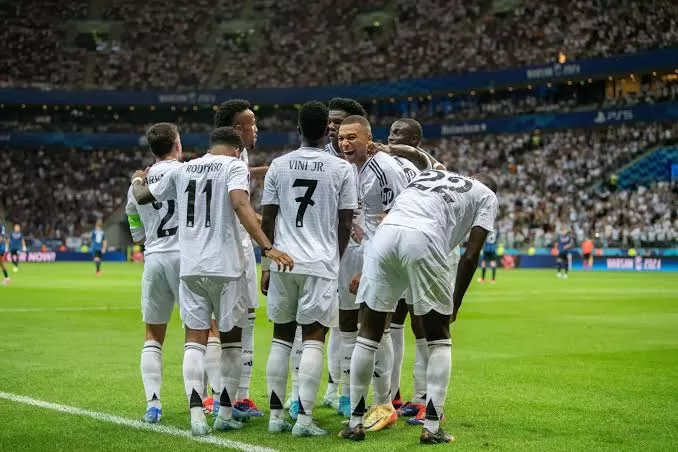
Real Madrid, one of the most prestigious football clubs globally, has a storied history that is as rich and compelling as the sport itself. Founded in 1902, this iconic club has played a pivotal role in shaping the modern game of soccer, boasting an unparalleled record of success and a legion of passionate fans around the world.
Early Beginnings and Formation
Real Madrid was officially founded on March 6, 1902, as "Madrid Football Club" by a group of football enthusiasts in the Spanish capital. Under the leadership of its first president, Juan Padrós, the club quickly established itself as a formidable force in Spanish football. In 1920, King Alfonso XIII bestowed the title "Real" (Royal) upon the club, granting it the honorific crown emblem that symbolizes its regal stature.
Dominance in Spanish Football
Throughout the decades, Real Madrid has been synonymous with success in Spanish football. They have won a record number of La Liga titles, consistently showcasing their dominance in domestic competitions. Their fierce rivalry with FC Barcelona, known as "El Clásico," has become one of the most anticipated fixtures in the football calendar.
The Di Stéfano Era
The 1950s marked the beginning of an era that forever changed the fortunes of Real Madrid. The arrival of Alfredo Di Stéfano, an Argentine forward, in 1953 was a turning point. Di Stéfano's brilliance on the field inspired a golden age for the club, leading them to win five consecutive European Cups from 1956 to 1960. This era cemented Real Madrid's reputation as a powerhouse in European football.
European Glory
Real Madrid's success is not limited to domestic achievements. The club has an illustrious record in European competitions, boasting the most UEFA Champions League titles in history. Their ability to perform on the grandest stages has earned them the nickname "Los Blancos" and the admiration of football fans worldwide.
The Galácticos Era
The turn of the 21st century saw another transformative period for Real Madrid, known as the "Galácticos" era. Under the presidency of Florentino Pérez, the club embarked on a strategy of signing world-class superstars, including the likes of Zinedine Zidane, Ronaldo, David Beckham, and Luis Figo. This strategy not only brought commercial success but also ensured continued dominance on the pitch.
Recent Achievements
In recent years, Real Madrid has maintained its status as a footballing giant. Under the management of Zinedine Zidane, a club legend, they secured three consecutive UEFA Champions League titles from 2016 to 2018, an unprecedented achievement in the modern era. Players such as Cristiano Ronaldo, Sergio Ramos, and Luka Modrić have played pivotal roles in these triumphs.
Legacy and Influence
Real Madrid's influence extends beyond the football field. The club has been instrumental in promoting the global appeal of soccer, with a fan base that spans continents. Their commitment to excellence and innovation in both sport and business has set the standard for football clubs worldwide.
"Real Madrid is not just a football club; it's a symbol of passion, heritage, and unyielding pursuit of greatness."
Conclusion
Real Madrid's journey from a modest club in the early 1900s to a global football empire is a testament to its enduring legacy of excellence. With a history rich in triumphs and a future full of promise, Real Madrid continues to captivate the hearts of millions and will undoubtedly remain at the pinnacle of world football for years to come.