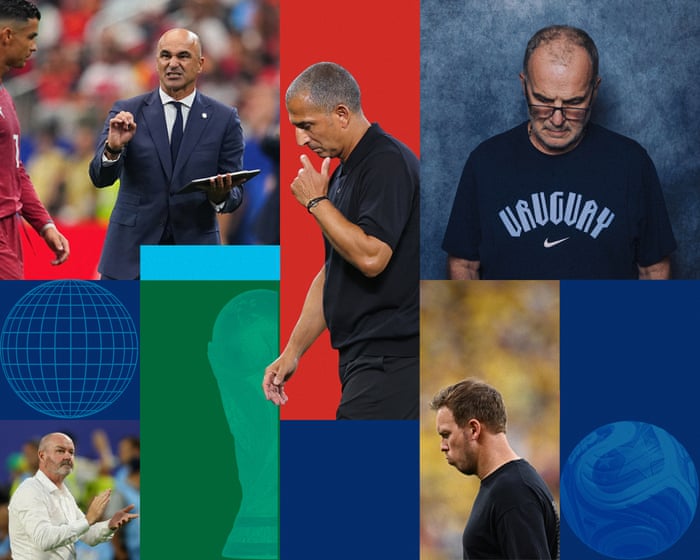
In the aftermath of the latest World Cup, a significant number of national team coaches have either been dismissed or have chosen to step down from their positions. This trend highlights the intense scrutiny and pressure coaches face on the international stage, with around 25% making an exit shortly after the tournament.
Post-Tournament Departures: An Overview
Among the various national teams, a total of twelve head coaches have parted ways with their teams following the conclusion of the World Cup. These changes come as federations and managers assess their performances and plan for future competitions.
Sabri Lamouchi's Departure from Tunisia
Sabri Lamouchi, who took over the reins as head coach of Tunisia on January 14, faced an early exit. He succeeded Sami Trabelsi after Tunisia's defeat to Mali in the Africa Cup of Nations' round of 16. However, Lamouchi's tenure was cut short after Tunisia suffered a heavy 5-1 loss to Sweden in their opening group match of the World Cup.
Following this disappointing start, Lamouchi expressed the need for the team to bounce back, stating, "We have our pride. We need to react." Despite his intentions to turn things around, the Tunisian Football Federation announced the termination of his contract by mutual agreement, wishing him success in his future endeavors.
Exploring the Reasons Behind Coaching Changes
- Performance Expectations: National teams often have high expectations during major tournaments, and failure to meet these can lead to coaching changes. A poor performance, especially in a high-stakes environment like the World Cup, puts immense pressure on the coaching staff.
- Strategic Reassessment: After a significant tournament, federations may choose to reassess their strategy and make changes to align with their long-term goals. This can include appointing a new coach who brings a fresh perspective and approach to the team.
- Mutual Agreements: In some cases, the decision to part ways is mutual, as both the coach and the federation agree that a change is in the best interest of the team moving forward.
The Broader Implications
The frequent turnover of coaches post-World Cup raises questions about the stability and continuity of national team programs. While changes might bring fresh tactics and renewed energy, they can also disrupt the development process if not managed carefully.
As national teams look ahead to future competitions, including continental tournaments and the next World Cup, the pressure remains high for coaches to deliver immediate results while also building a sustainable team for the future.
This wave of coaching changes serves as a reminder of the challenging environment within international football, where the need for quick successes often competes with the desire for long-term growth and stability.