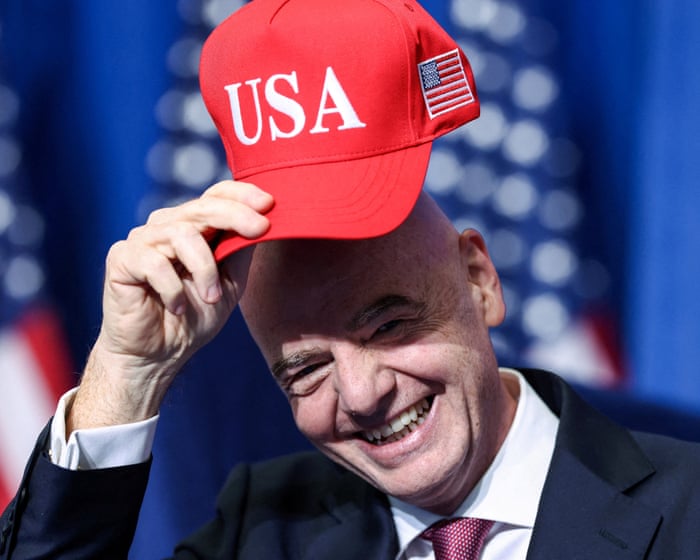
The pressure on FIFA President Gianni Infantino is mounting as several nations within the Confederation of North, Central America, and Caribbean Association Football (Concacaf) consider retracting their support. This move aligns with similar actions taken by European countries in recent weeks, reflecting a shift in confidence within the international football community.
Growing Discontent Among Concacaf Members
Concacaf, which encompasses 41 member associations from across North America, Central America, and the Caribbean, had initially expressed unified support for Infantino's bid for re-election. Prior to the 2022 World Cup, all member nations reportedly submitted letters endorsing his campaign. However, ongoing controversies and dissatisfaction with Infantino's leadership have prompted many of these countries to reevaluate their stance.
Reasons Behind the Shift
The reconsideration of support by Concacaf nations is influenced by multiple factors. These include broader concerns regarding governance, transparency, and the direction in which Infantino is steering FIFA. The recent criticisms and calls for accountability have resonated with football associations that initially backed Infantino, leading them to question the alignment of his policies with their interests and aspirations for the sport.
This potential withdrawal of support from Concacaf adds to the challenges facing Infantino, as he seeks to maintain his leadership amidst discontent within both European and American football circles.
Implications for FIFA's Leadership
The withdrawal of support from Concacaf would not only signify a significant shift in the dynamics of global football politics but also potentially impact Infantino's ability to secure another term as FIFA president. With Europe already reducing its backing, a similar move from Concacaf could encourage other regions to follow suit, thereby altering the landscape of FIFA's electoral process.
Next Steps for Concacaf
As Concacaf nations deliberate their next steps, there is speculation about what form their actions might take. Some members may choose to publicly announce their withdrawal of support, while others might opt for more discreet diplomatic channels to express their dissatisfaction.
Meanwhile, the broader football community is closely monitoring these developments, aware that any significant shifts in support could have far-reaching consequences for FIFA's governance and future initiatives.
Conclusion
As the situation unfolds, it remains to be seen how Concacaf's potential withdrawal of support will influence the future of FIFA's leadership. The confederation's decision could serve as a barometer for Infantino's standing within the global football community, highlighting the need for responsive leadership that addresses the concerns of its diverse member associations.