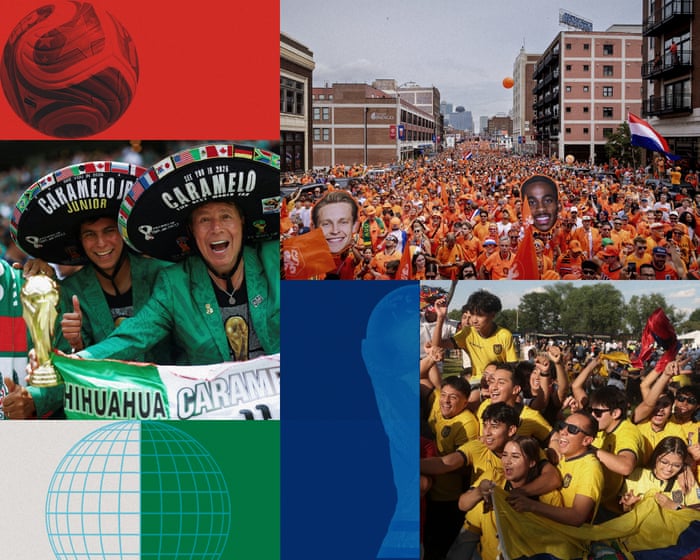
The anticipation leading up to the World Cup in North America was a mixed bag of emotions. While some residents of the host cities expressed initial apprehension, the unfolding tournament has managed to charm even the most skeptical. The influx of international fans and the vibrant atmosphere they bring have turned the event into a shared celebration across the continent.
A Transformative Experience for Host Cities
Kansas City, the smallest of the 16 host cities, exemplifies the transformative power of the World Cup. Despite its size, the city has a rich soccer history and is known for exceeding expectations. From the outset, local organizers and the community were determined to provide an unforgettable experience for both visitors and viewers worldwide.
The city faced some early logistical challenges, particularly with shuttle buses and traffic congestion during their first home match. However, these issues were swiftly addressed by the time the second match rolled around, showcasing the city's ability to adapt and improve quickly.
Cultural Festivities and Global Unity
The World Cup has not only been about the matches but also the festivities surrounding them. Kansas City’s watch parties have become vibrant gatherings, drawing people from all over the globe. The official fan fest is a bustling hub of activity, offering a unique blend of cultures and traditions that enrich the local community.
This phenomenon is not isolated to Kansas City. Across the United States, Canada, and Mexico, host cities are experiencing similar waves of excitement and unity. The tournament has managed to bridge cultural gaps, fostering a sense of global camaraderie and mutual appreciation.
Impact Beyond the Stadiums
While the matches are the main attraction, the benefits extend far beyond the stadiums. Local businesses have reported a surge in activity, with restaurants, hotels, and shops seeing increased patronage from international visitors. The economic boost is a welcome relief for many local economies, especially after the challenges of recent years.
Moreover, the exposure that comes with hosting such a prestigious event has put several cities on the global map, potentially attracting more tourists and international events in the future. The World Cup's influence is likely to be felt long after the final whistle is blown.
Reflecting on the Journey
Reflecting on the experience, many residents who were initially hesitant have found themselves swept up in the excitement. The joy and color brought by visiting fans have turned the World Cup into a celebration of diversity and a reminder of the unifying power of sport.
As the tournament continues, the initial dread has largely dissipated, replaced by a newfound appreciation for the spectacle that the World Cup brings. Host cities are now fully embracing the event, proud to be part of a global celebration that transcends borders and cultures.
In conclusion, the World Cup has proven to be more than just a series of soccer matches; it is a catalyst for cultural exchange and community spirit. As North America continues to host this prestigious event, it leaves an indelible mark on the hearts of those who participate and those who witness it.