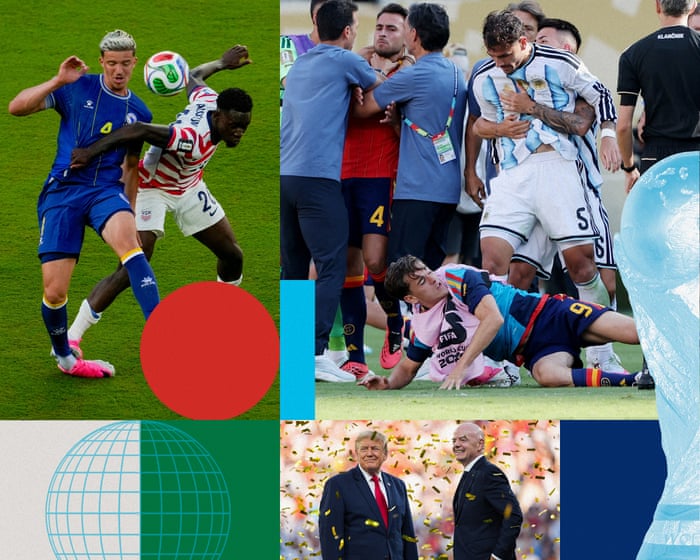
The 2026 FIFA World Cup, hosted in North America, was a tournament filled with memorable moments, yet it left room for reflection on both the football played and the controversies that unfolded. As the excitement subsides, it is time to assess the tournament's impact and legacy.
Footballing Spectacle on the Pitch
From the first whistle to the final kick, the 2026 World Cup delivered engaging football, though it may not be remembered as one of the greatest tournaments in history. Fans were treated to thrilling matches and standout performances from emerging talents and established stars alike. Despite some initial concerns about the expanded format, which saw 48 teams compete, the on-field competition maintained a high level of excitement and unpredictability.
On-Field Highlights
- Leandro Paredes' pivotal role in Argentina's campaign, culminating in a tense encounter with Spain's Gavi, captured the spirit of the tournament.
- Emerging talents such as Jude Bellingham and Pedri showcased their skills, hinting at a bright future for international football.
- The tournament witnessed several thrilling comebacks and stunning goals, keeping fans on the edge of their seats.
Controversies and Compromises Off the Pitch
While the matches provided plenty of entertainment, the 2026 World Cup was also marked by significant controversies that sparked widespread debate. Political influences and decisions by FIFA's leadership were at the forefront of these discussions.
The Balogun Affair
One of the most talked-about incidents was the so-called 'Balogun Affair.' FIFA's decision to allow a particular player to participate, seemingly bending established rules, raised questions about the integrity of the processes governing player eligibility. This decision followed a pattern of similar actions under FIFA President Gianni Infantino's leadership, where exceptions appeared to be made for high-profile players and events.
Impact on Future Tournaments
The handling of player eligibility and qualification criteria has set a precedent that could influence future tournaments. The adjustments made for the 2026 World Cup served as a reminder of the complex interplay between politics and sports, a theme that may continue to shape the landscape of international football.
Looking Ahead
As fans and analysts continue to digest the events of the 2026 World Cup, it is clear that the tournament achieved a remarkable balance between delivering footballing drama and navigating the challenges of modern sports governance. The stories and controversies from this World Cup will likely influence discussions leading up to the next event, ensuring that the legacy of 2026 remains a topic of interest for years to come.
Ultimately, while the 2026 World Cup may not be remembered as the greatest in history, it offered a spectacle that combined sport, politics, and global fascination, leaving a lasting impact on the world of football.