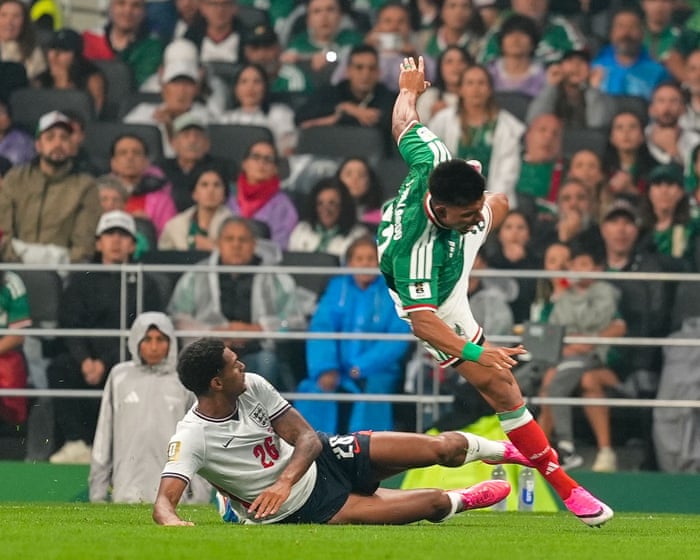
The ongoing World Cup has not been without its share of controversies surrounding the officiating. Despite some critical voices, including prominent figures like Thomas Tuchel, the overall performance of referees has been considered satisfactory by many, thanks in part to the support of the Video Assistant Referee (VAR) system.
Tuchel's Criticism
Following England's recent victory over Mexico, Thomas Tuchel openly criticized the refereeing, describing it as unreliable and erratic. His statements have sparked discussions, but it is important to note that officials have largely managed to uphold the standards expected at such a prestigious tournament.
VAR's Role in Decision-Making
While there have been some errors, as is inevitable in sports, the introduction and use of VAR have generally assisted referees in making correct calls. The technology has been instrumental in reviewing contentious situations, thereby reducing the number of incorrect decisions that could have potentially altered the outcome of matches.
Disputed Decisions
A recent match between Egypt and Argentina highlighted the critical role of officiating and VAR. Egypt claimed they were unfairly treated after a goal of theirs was disallowed, and Argentina's winning goal was allowed to stand. However, upon closer inspection, the decisions were justified.
- The disallowed Egyptian goal was the result of Marwan Attia fouling Lisandro Martínez, involving a shirt pull and contact with Martínez's foot. Such actions are considered fouls and rightly influenced the referee's decision.
- Argentina's decisive goal was closely scrutinized, with no rule infringement found, leading to the correct decision to let the goal stand.
These examples underscore the importance of VAR in confirming the accuracy of on-field decisions, even when initial reactions may suggest otherwise.
Perfection is Unattainable
It is essential to acknowledge that referees, like all human participants in sports, are subject to occasional mistakes. The expectation for flawless officiating is unrealistic, yet the current system, bolstered by technology, is designed to minimize significant errors.
While criticism is part and parcel of the game, and high-profile figures are entitled to their opinions, it is crucial to recognize the efforts made to ensure fairness and accuracy in the sport. The World Cup continues to showcase the talents and challenges faced by officials, reminding us of the complex nature of refereeing at the highest level.